Ultra-precision cold-drawn tubes for hydraulic cylinders, gas cylinders, and automotive applications.
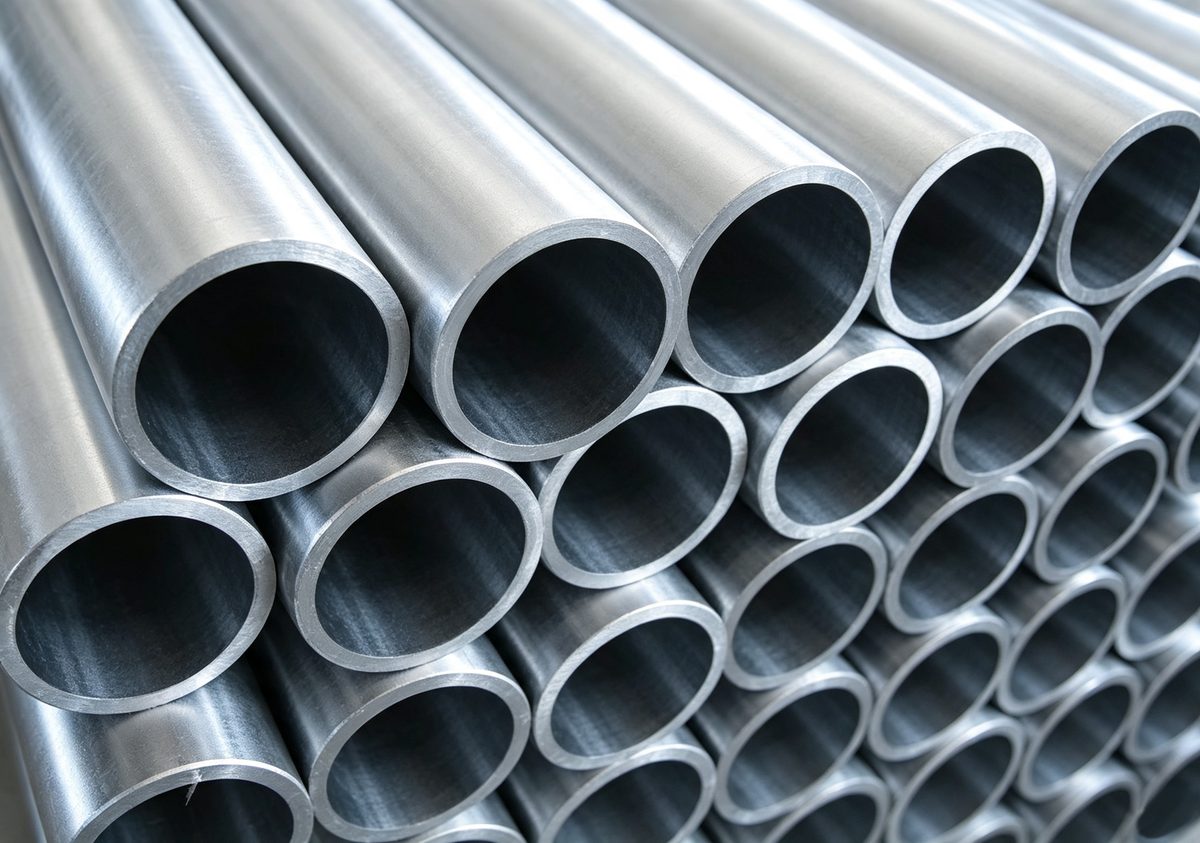
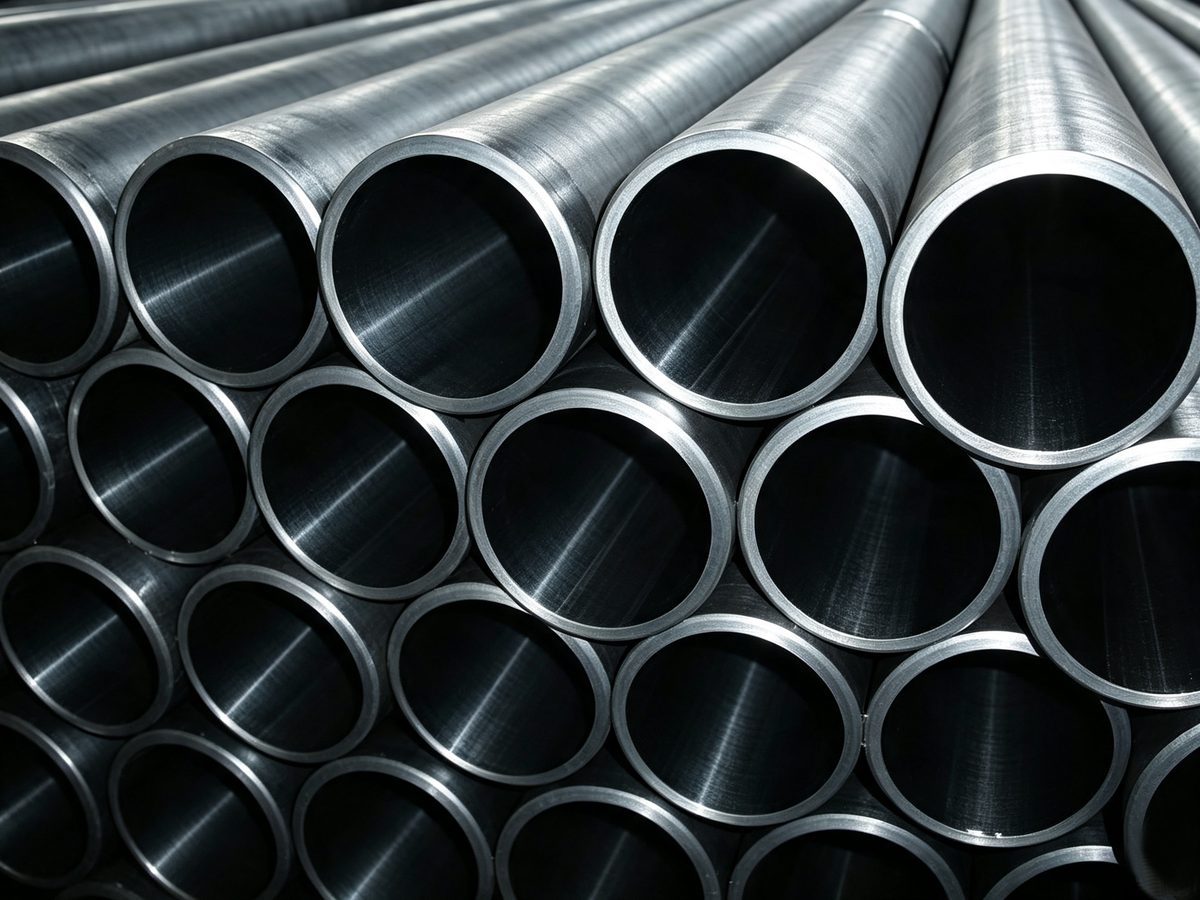
Precision tubes are high-accuracy steel tubes manufactured to exacting dimensional tolerances and superior surface finishes, designed for applications where standard mechanical tubing cannot meet the required precision, surface quality, or performance specifications. Unlike conventional mechanical pipe, precision tubes are characterized by tight dimensional tolerances (outer diameter tolerance ±0.05–0.1 mm, wall thickness tolerance within ±0.05 mm), high surface smoothness (surface roughness Ra values typically 0.8–1.6 μm, and as low as 0.2–0.4 μm for honed tubes), and no oxide layer on inner and outer walls after heat treatment.
These tubes can withstand high pressure, do not deform under cold bending, and resist cracking in flaring and flattening tests, making them ideal for sophisticated mechanical processing and complex deformations.
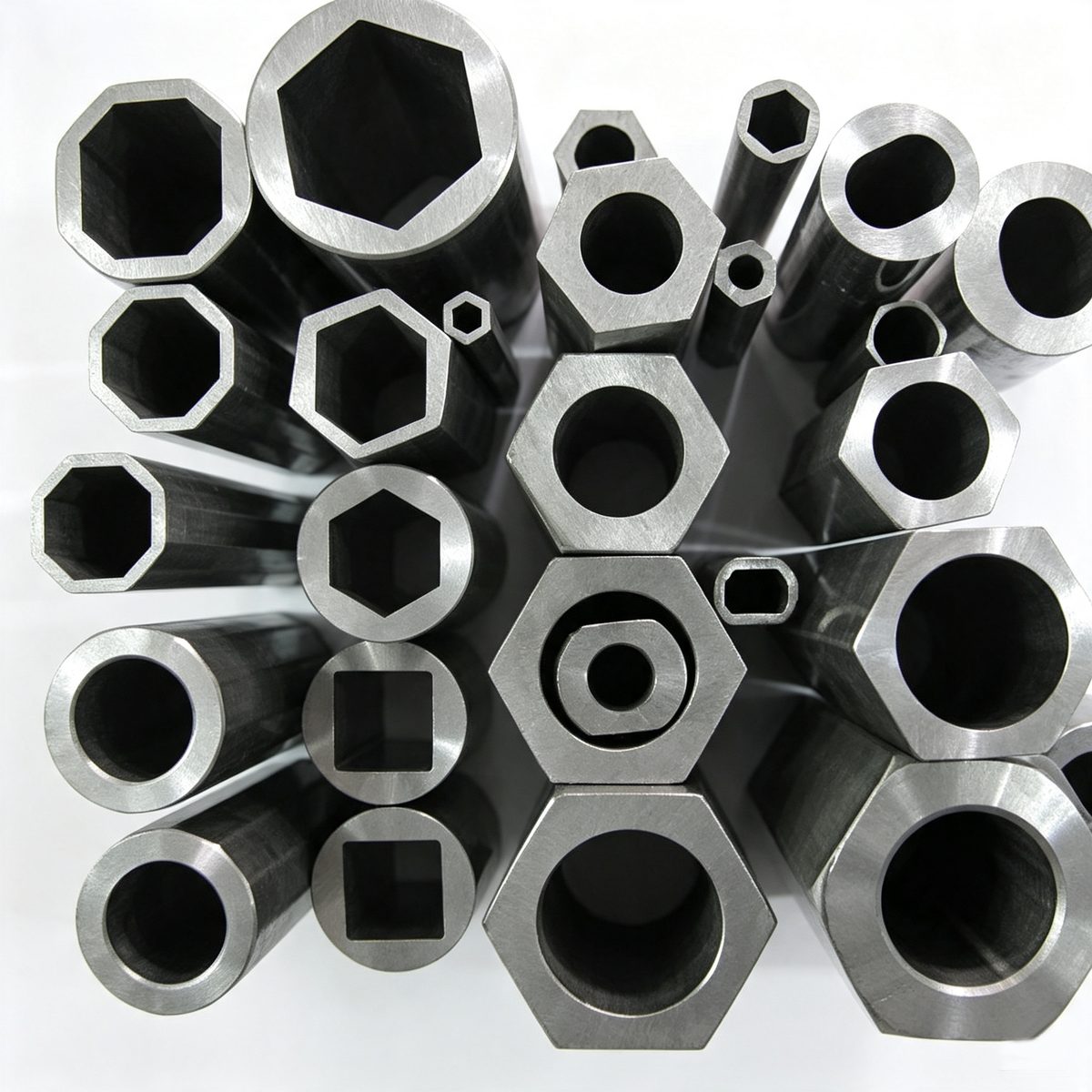
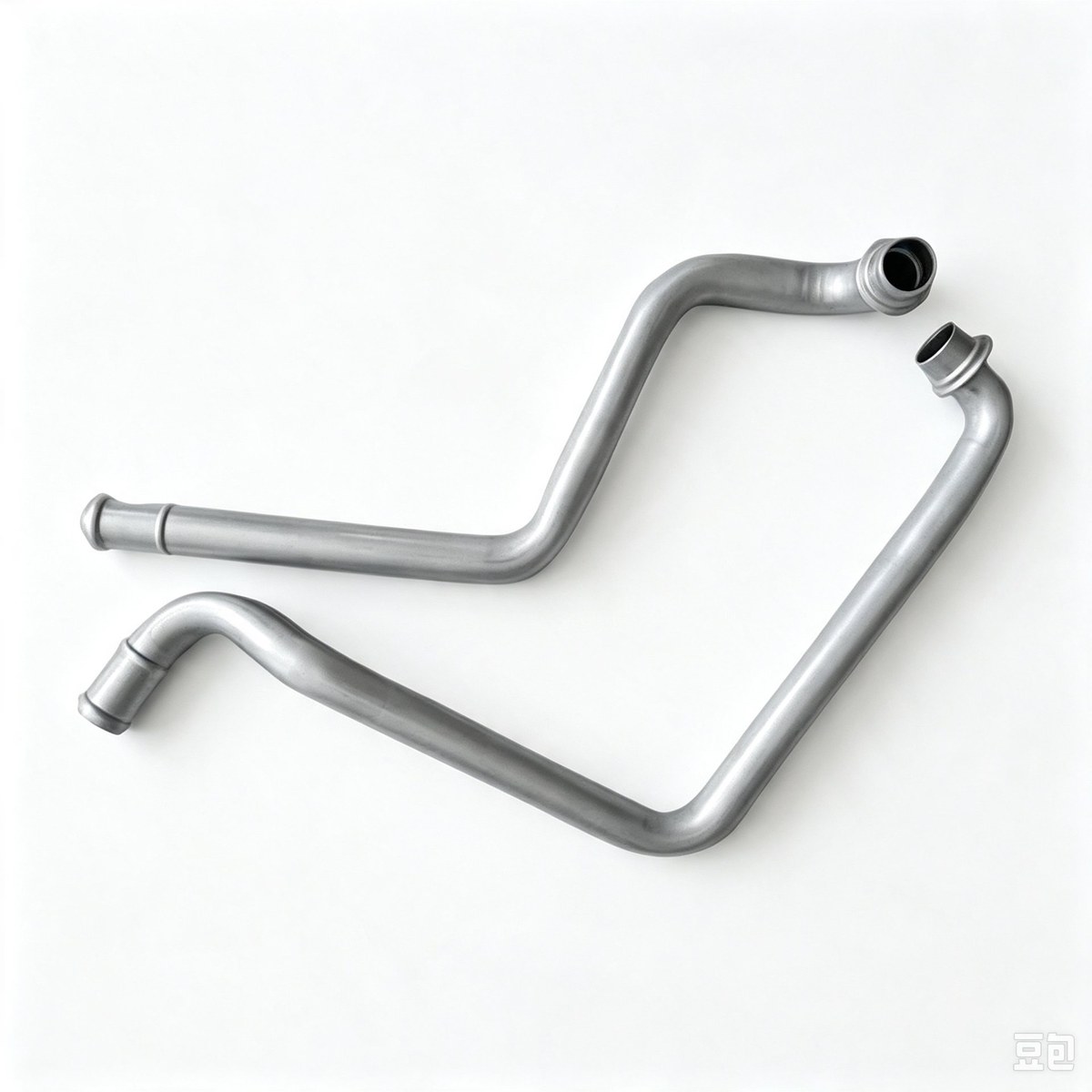
Hydraulic cylinder tubes are precision tubes specifically manufactured for hydraulic and pneumatic cylinder applications. They are typically supplied with a honed or skived & roller burnished (SRB) internal surface, ready for use as cylinder barrels without further internal diameter processing.
Applications: Construction machinery (excavators, bulldozers, loaders, cranes), agricultural equipment (tractors, harvesters), material handling (forklifts, aerial work platforms), marine engineering, offshore and petroleum machinery.
Precision tubes specifically manufactured for high-pressure gas storage and transportation applications, including seamless steel gas cylinders for industrial, medical, and specialty gases.
Precision tubes for automotive applications requiring high dimensional accuracy and surface quality. These tubes are increasingly replacing conventional seamless steel tubes and round bars in automotive manufacturing to save material, labor, and time.
Applications: Shock absorbers, steering systems, transmission components, engine cradles, anti-roll bars, seat back frames, door beams, and A-pillars.
High-precision tubes used in instrumentation, aerospace, medical devices, and other applications where dimensional accuracy and surface quality are paramount. Their superior characteristics make them suitable for bearings, pneumatic components, and precision mechanical systems.
Produced from hot-finished seamless tubes through cold drawing or cold rolling processes. These are the most common type for high-pressure and critical applications.
Produced from steel strip through Electric Resistance Welding (ERW), followed by cold drawing (Drawn Over Mandrel - DOM) to achieve precision dimensions. Cold Drawn Welded (CDW) precision tubes offer:
Size Range (CDW): OD 8.00–203.00 mm, Wall Thickness 0.90–14.00 mm.
Cold drawing is the primary process for achieving precision dimensions. Tubes are drawn through a die to reduce diameter and wall thickness while improving dimensional accuracy and surface finish.
| Delivery Condition | Symbol | Description |
|---|---|---|
| Cold drawn (hard) | +C | As-drawn, no subsequent heat treatment; highest strength |
| Cold drawn (soft) | +LC | Lightly cold drawn with improved ductility |
| Cold drawn and stress-relieved | +SR / BK+S | Stress-relieved after cold drawing to stabilize dimensions |
Honing is an abrasive finishing process using honing stones to remove microscopic layers of material from the internal diameter. The process produces a characteristic cross-hatch pattern essential for oil retention in hydraulic cylinders.
The SRB process is a single-pass operation that combines skiving (cutting) and roller burnishing (surface compression). The skiving tool cuts the ID to the required size on the forward stroke, followed by roller bearings that burnish the surface on the reverse stroke.
| Standard | Description |
|---|---|
| ASTM A519 / ASME SA519 | Seamless carbon and alloy steel mechanical tubing; primary standard for precision mechanical tubes in North America |
| ASTM A513 | Electric-resistance-welded carbon and alloy steel mechanical tubing |
| ASTM A106 | Carbon seamless pipes for high-temperature service (referenced for related applications) |
| EN 10305-1 | Steel tubes for precision applications – Seamless cold drawn tubes; primary European standard |
| EN 10305-2 | Steel tubes for precision applications – Cold drawn welded tubes |
| EN 10305-4 | Steel tubes for precision applications – Seamless cold drawn tubes for hydraulic and pneumatic systems |
| DIN 2391 | Seamless precision steel tubes; widely used in hydraulic applications |
| JIS G3445 | Carbon steel tubes for machine structural purposes |
| JIS G3441 | Alloy steel tubes for machine purposes |
| Standard | Description |
|---|---|
| GB/T 3639 | Seamless cold-drawn or cold-rolled steel tubes for precision applications; primary Chinese standard for precision tubes |
| GB/T 8713 | Precision inner diameter seamless steel tubes for hydraulic and pneumatic cylinders |
| GB/T 43898-2024 | Precision seamless steel tubes for hydraulic cylinders of engineering machinery (newest standard; applicable for ID 80–500 mm) |
| GB/T 8162 | Seamless steel tubes for structural purposes |
| GB/T 699 | Quality carbon structural steels (referenced for materials) |
| Grade | Standard Equivalent | Applications |
|---|---|---|
| 10# | St35, E235 | General precision applications, low-pressure hydraulic |
| 20# | E255, SAE1020 | Hydraulic cylinders, general mechanical |
| 35# | — | Medium-strength mechanical components |
| 45# | C45E, SAE1045 | Hydraulic cylinders, higher strength applications |
| Grade | Standard Equivalent | Yield Strength (MPa) | Applications |
|---|---|---|---|
| 25Mn | — | — | High-pressure hydraulic cylinders |
| 37Mn5 | — | — | Specialized applications |
| ST52 / E355 | — | ~355 | Most common for hydraulic cylinders; high-strength carbon steel |
| 16Mn / Q345B | ASTM A572 Gr.50 | ~345 | Structural and mechanical applications |
| 27SiMn | — | ≥835 | High-strength hydraulic cylinders |
| 40Cr | AISI 5140 | — | High-strength machined components |
| 42CrMo | AISI 4140 | 930+ | High-strength components with good toughness |
| Material | Standard Equivalent | Applications |
|---|---|---|
| STKM13C | JIS G3445 | Machine structural applications |
| 4130/4140 | ASTM A519 | High-strength mechanical components |
| St30Si, St30Al | DIN 2391 | General precision applications |
| E235, E355 | EN 10305 | Precision applications in Europe |
Precision tubes are supplied in various heat treatment and delivery conditions to suit different application requirements:
| Condition Code | Description | Characteristics |
|---|---|---|
| +N (NBK / Normalized) | Tubes heated above transformation temperature and air-cooled; "bright" (no oxide layer) | Refined grain structure, uniform properties, optimal machinability; most common for precision applications |
| +A (GBK / Annealed) | Tubes annealed to achieve softest condition | Maximum ductility, good for extensive cold forming |
| +C (BK / Cold Drawn Hard) | As-drawn, no heat treatment | Highest strength, least ductility, limited formability |
| +LC (BKW / Cold Drawn Soft) | Lightly cold drawn with improved ductility | Moderate strength with better ductility than +C |
| +SR (BKS / Stress-Relieved) | Cold drawn and stress-relieved | Dimensional stability, reduced residual stresses; preferred for components requiring stability after machining |
Precision tubes require specialized packaging to protect their high-precision surfaces and maintain product integrity during storage and transportation.
| Method | Description |
|---|---|
| Bundling | Tubes grouped and secured with steel straps or high-strength plastic bands. Circular tubes are often formed into hexagonal bundles for maximum density and stability |
| Crating / Boxing | Tubes placed in wooden crates, cardboard boxes, or custom containers for enhanced protection against impact, contamination, and moisture; essential for high-value and precision products |
| Wrapping | Individual tubes or bundles wrapped with VCI (Vapor Corrosion Inhibitor) paper/film, plastic sheeting, bubble wrap, or foam to prevent scratches, moisture, and corrosion |
| Protection Type | Purpose |
|---|---|
| Rust-Preventive Oil | Applied to internal and external surfaces to prevent corrosion during storage and transport |
| Thread Protectors | Plastic or steel caps on threaded ends to prevent damage |
| End Caps / Seals | Both ends sealed to prevent contamination of internal surfaces |
| Non-Abrasive Cushions | Timber or rubber spacers between tube layers to prevent contact damage |
| VCI Packaging | Vapor corrosion inhibitors protect against rust during ocean transport and long-term storage |
Precision tubes often require specialized packaging devices to prevent deformation during stacking and transport. A commonly used solution is the U-channel packaging device, which features:
This packaging method allows multiple layers of precision tubes to be stacked safely, maximizing cargo space utilization and significantly reducing shipping costs.
| Transport Mode | Key Requirements |
|---|---|
| Ocean Transport | Enhanced corrosion protection (VCI, oil coating); robust packaging for stacking; ISPM-15 compliant wooden packaging for international shipments |
| Truck Transport | Secure bundling with protective padding; prevent tubes from contacting bare steel surfaces |
| Container Transport | Proper dunnage and securing to prevent shifting during transit |